
Pure Sine Wave vs Modified Sine
Wave Inverter: Which Is Better?
Compare pure sine wave and modified sine wave inverters — waveform, compatibility, motors, electronics, RV, solar, cost and applications — to decide which is right for your use case.
Pure Sine Wave
Grid-QualitySmooth sinusoidal waveform — closely resembles utility-grid electricity
Modified Sine Wave
SteppedStepped approximation — a rougher waveform shape
Quick Answer
Pure sine wave and modified sine wave inverters differ mainly in the shape of their AC output waveform. A pure sine wave inverter produces a smooth waveform similar to utility-grid electricity, while a modified sine wave inverter produces a stepped approximation. Pure sine wave inverters generally provide broader compatibility with motors, compressors, sensitive electronics, chargers, and mixed AC loads. Modified sine wave inverters can be suitable for simpler, known-compatible loads where lower cost is important.
Key Takeaways
- Pure sine wave produces a smooth AC waveform similar to utility-grid power.
- Modified sine wave uses a stepped waveform to approximate a sine wave.
- Pure sine wave generally offers broader compatibility with motors, compressors, chargers, and sensitive electronics.
- Modified sine wave may be suitable for simple, known-compatible loads.
- Inverter selection should consider continuous power, surge power, battery voltage, output voltage, and application, not waveform alone.
- For RV, solar, marine, backup power, and mixed-load applications, pure sine wave is generally the more versatile option.
ENTITY DEFINITIONS
Pure Sine Wave and Modified Sine Wave: Key Definitions
Pure Sine Wave Inverter
A pure sine wave inverter is a DC-to-AC power converter designed to produce a smooth sinusoidal AC output waveform that closely resembles utility-grid electricity.
Modified Sine Wave Inverter
A modified sine wave inverter is a DC-to-AC inverter that produces a stepped approximation of a sine wave rather than a smooth sinusoidal waveform.
Power Inverter
A power inverter converts direct current (DC) from a battery or other DC source into alternating current (AC) for powering AC electrical equipment.
Surge Power
Surge power is the temporary power capacity an inverter can provide for starting loads that require more power during startup than during normal operation.
Continuous Power
Continuous power is the amount of AC power an inverter can deliver continuously under its specified operating conditions.
QUICK COMPARISON
Pure Sine Wave vs Modified Sine Wave
| FEATURE | PURE SINE WAVE | MODIFIED SINE WAVE |
|---|---|---|
| AC waveform | Smooth sinusoidal waveform | Stepped approximation |
| Utility‑grid similarity | High | Lower |
| Equipment compatibility | Generally broad | More limited |
| Motors | Generally preferred | Compatibility varies |
| Compressors | Generally preferred | Compatibility varies |
| Sensitive electronics | Generally preferred | Compatibility varies |
| Chargers | Broad compatibility | Compatibility varies |
| Audio equipment | Generally preferred | May introduce noise/interference |
| Cost | Usually higher | Usually lower |
| Application flexibility | High | More limited |
| RV applications | Excellent choice | Depends on loads |
| Solar applications | Common choice | Depends on loads |
| Backup power | Common choice | Depends on loads |
Note: Actual performance depends on the specific inverter and connected equipment. Always check the electrical requirements of the equipment before selecting an inverter.
ENTITY DEFINITIONS
What Is a Pure Sine Wave Inverter?
A pure sine wave inverter converts DC battery power into AC electricity with a smooth sinusoidal waveform that closely matches utility-grid power. This is the same type of power you get from a wall outlet at home, making it compatible with virtually any AC device.
How Does a Pure Sine Wave Inverter Work?
The inverter takes DC power from a battery (12V, 24V or 48V), uses pulse-width modulation and filtering circuits to synthesize a clean sinusoidal AC output, and delivers it to your AC equipment at the configured voltage (110–240V) and frequency (50/60Hz).
Advantages of Pure Sine Wave
Broad compatibility
Runs virtually any AC device a wall outlet can power.
Motors and compressors
Runs fridge compressors, pumps and fans without excess heat or noise.
Sensitive electronics
Safe for laptops, TVs, medical devices and audio gear.
Chargers
Compatible with all charger types including active PFC power supplies.
Professional equipment
Suitable for medical, telecom and lab equipment requiring clean power.
Mixed loads
Handles varied load combinations common in RVs, boats and off-grid homes.
What Is a Modified Sine Wave Inverter?
A modified sine wave inverter also converts DC to AC, but instead of producing a smooth sinusoidal waveform, it generates a stepped waveform that approximates AC sine-wave power. This simpler conversion method costs less to manufacture, but it comes with trade-offs in compatibility.
How Does a Modified Sine Wave Inverter Work?
Instead of producing a smooth sinusoidal waveform, the inverter generates a stepped waveform that approximates AC sine-wave power. The output switches between positive, zero and negative voltage in a blocky pattern rather than a continuous curve.
When Can Modified Sine Wave Be Used?
Modified sine wave can be suitable when the connected equipment has been confirmed to operate correctly with the specific modified sine wave inverter. Common compatible loads include:
- Incandescent lights and simple resistive heaters
- Universal motors (hand drills, small grinders)
- Devices with simple rectifier-based power supplies
- Equipment explicitly rated for modified sine wave input
Compatibility depends on the equipment. We do not claim modified sine wave is universally bad — but we do recommend verifying compatibility before relying on it for any specific device.
Why Does the Inverter Waveform Matter?
The waveform is not a technical detail — it directly affects how your equipment behaves. Here is why waveform quality matters across different load types.
Motor Loads
Refrigerators, pumps, fans and other motor-driven equipment may have different operating characteristics depending on waveform quality. Modified sine can cause motors to run hotter, louder and less efficiently.
Sensitive Electronics
Some electronic equipment may require or perform better with a cleaner AC waveform. Laptops, TVs and audio gear can experience buzzing, interference or power-supply stress on modified sine.
Chargers and Power Supplies
Compatibility can vary depending on the charger or power supply design. Older simple chargers often work on modified sine; modern active-PFC chargers may not.
Audio Equipment
Some equipment may experience audible noise or interference with certain inverter waveforms. A 60Hz buzz through speakers is a common sign of modified sine wave power.
Pure Sine Wave vs Modified Sine Wave by Application
Different applications favor different waveforms. Here is a quick reference showing which approach is generally recommended for common use cases.
| APPLICATION | RECOMMENDED APPROACH |
|---|---|
| RV | Pure sine wave generally preferred |
| Camper Van | Pure sine wave generally preferred |
| Refrigerator | Pure sine wave generally preferred |
| Freezer | Pure sine wave generally preferred |
| Solar backup | Pure sine wave commonly preferred |
| Marine | Pure sine wave commonly preferred |
| Truck | Depends on connected loads |
| Power tools | Depends on equipment |
| Laptop / charger | Pure sine wave generally preferred |
| Simple resistive loads | Modified sine wave may be suitable |
| Sensitive equipment | Pure sine wave generally preferred |
RV APPLICATION
Pure Sine Wave Inverter for RV
Why RV Owners Choose Pure Sine Wave
RV electrical systems often contain a mixture of electronics, chargers, refrigerators, fans, and other AC equipment. Because the exact load combination can vary, pure sine wave provides a broader compatibility range — you do not have to worry about whether each individual device will tolerate a modified sine waveform.

Recommended RV Inverter
12V / 24V Pure Sine Wave Power Inverter
SOLAR APPLICATION
Pure Sine Wave Inverter for Solar
In off-grid solar systems, the inverter converts DC power stored in the battery bank into AC power for connected loads. Pure sine wave is the standard choice for solar because it matches the quality of grid power that household appliances and electronics are designed for.

Recommended RV Inverter
12V / 24V Pure Sine Wave Power Inverter
BATTERY VOLTAGE
12V vs 24V vs 48V Inverter Systems
Your battery system voltage affects current, cable size and efficiency. Here is how the three common DC voltages map to typical applications.
| BATTERY SYSTEM | TYPICAL USE |
|---|---|
| 12V | RV, vehicle, small systems |
| 24V | Larger RV, commercial vehicles, medium systems |
| 48V | Solar, energy storage, larger systems |
For the same output power, a higher DC system voltage generally requires lower DC current, although actual current depends on inverter efficiency and operating conditions. This is why higher-power inverters (3000W+) typically use 48V battery banks.
How Much Inverter Power Do You Need?
Waveform is only one part of the decision. You also need to size the inverter correctly. Consider these four factors before choosing a model:
Continuous load
The total running wattage of all devices you want to power.
Startup / surge load
The temporary spike when motors and compressors start — often 2–4x running power.
Battery voltage
Your DC system voltage (12V, 24V or 48V) determines current and cable sizing.
Loads operating simultaneously
How many devices run at the same time — not just the single largest one.
For a detailed calculation, see our guide: How Much Inverter Do I Need?
DECISION GUIDE
Which Inverter Should You Choose?
Use this decision table to match your situation to the recommended waveform type.
| YOUR SITUATION | RECOMMENDED CHOICE |
|---|---|
| Mixed AC loads | Pure sine wave |
| Refrigerator / compressor | Pure sine wave generally preferred |
| Motor‑driven equipment | Pure sine wave generally preferred |
| Sensitive electronics | Pure sine wave generally preferred |
| RV | Pure sine wave generally preferred |
| Off‑grid solar | Pure sine wave commonly preferred |
| Simple known‑compatible loads | Modified sine wave may be suitable |
| Lowest upfront cost | Modified sine wave may be considered |
If you are unsure about compatibility, pure sine wave is generally the more flexible choice.
DECISION GUIDE
Which Inverter Should You Choose?
Use this decision table to match your situation to the recommended waveform type.
Product Specifications
- Input voltage
- Output voltage
- Frequency
- Continuous power
- Surge power
- Waveform
- Efficiency
- Protection functions
Commercial Requirements
- MOQ
- Sample availability
- Lead time
- Bulk pricing
- Packaging
- Private labeling
- OEM / ODM
- Custom connectors
- Custom housing
- Certification requirements
Application Requirements
- RV
- Solar
- Marine
- Truck
- Industrial
- Construction
- Backup power
Frequently Asked Questions
What is the main difference between pure sine wave and modified sine wave?
The main difference is the AC output waveform. Pure sine wave inverters produce a smooth sinusoidal waveform, while modified sine wave inverters produce a stepped approximation.
Is pure sine wave better than modified sine wave?
Pure sine wave is generally the better choice when broad equipment compatibility is important, especially for motors, compressors, sensitive electronics, chargers, and mixed AC loads.
Can a refrigerator run on a modified sine wave inverter?
Some refrigerators may operate on modified sine wave power, but compatibility varies. Because refrigerators use compressor motors with startup requirements, pure sine wave is generally preferred when compatibility is uncertain.
Do I need a pure sine wave inverter for an RV?
Not every RV load requires pure sine wave power. However, because RVs often contain refrigerators, chargers, electronics, fans, and other mixed loads, pure sine wave provides broader compatibility.
Are pure sine wave inverters more expensive?
Pure sine wave inverters are usually more expensive than comparable modified sine wave models because they generally use more sophisticated power-conversion and filtering designs.
Can modified sine wave damage electronics?
Compatibility depends on the equipment and inverter design. Some devices may operate normally, while others may experience noise, additional heat, reduced performance, or other issues. Check the equipment manufacturer’s requirements.
What size pure sine wave inverter do I need?
The required inverter size depends on the total continuous load and the startup or surge requirements of connected equipment. Battery voltage and the number of loads operating simultaneously should also be considered.
Which is better for solar systems: pure sine wave or modified sine wave?
Pure sine wave is commonly preferred for solar battery systems because it provides broader compatibility with household appliances, electronics, motors, and other AC loads.
PURE SINE WAVE POWER INVERTER SOLUTIONS
Recommended Pure Sine Wave Inverters
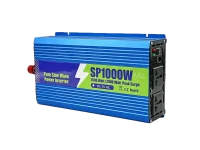
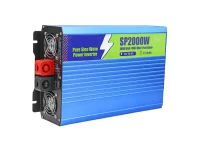
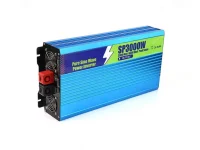
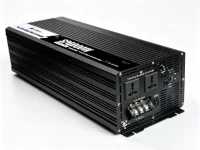
Designed for RV, Camper Van, Solar, Marine, Truck, Backup Power and Industrial Equipment.
Get a Quote in 24 Hours
Tell us your target market, power range and certification needs. Our OEM team replies within one business day with pricing, lead time and a product recommendation.
All fields marked * are required.
We reply within 24 hours · Your information stays confidential